Sector · Fashion & footwear
Fashion catalogues produced in batches
Fashion is where the volume pressure is greatest: collections that turn over every few weeks, dozens of SKUs per line, sizes and colours that multiply the files, and a publication date that does not move. It is the exact scenario batch production exists for.
What breaks a fashion catalogue
It is not the quality of each photo: it is the drift. The collection gets shot in several waves, each with its own day, its own light and its own judgement, and the result is a category grid where some garments look cooler than others, some sit larger in the frame, some carry more shadow.
The customer does not put it into words, but they notice: the catalogue looks like it belongs to two different shops. And when the next collection comes in, the drift compounds.
What a fashion batch produces
- Garment on a virtual model, front, side, back and full body.
- Garment packshot on white, for the listing and marketplaces.
- Fabric detail, stitching, fastening and label.
- Colour variants of the same garment without repeating the session.
- Campaign scene with the same cast, for category, newsletter and social.
A whole collection with the same cast
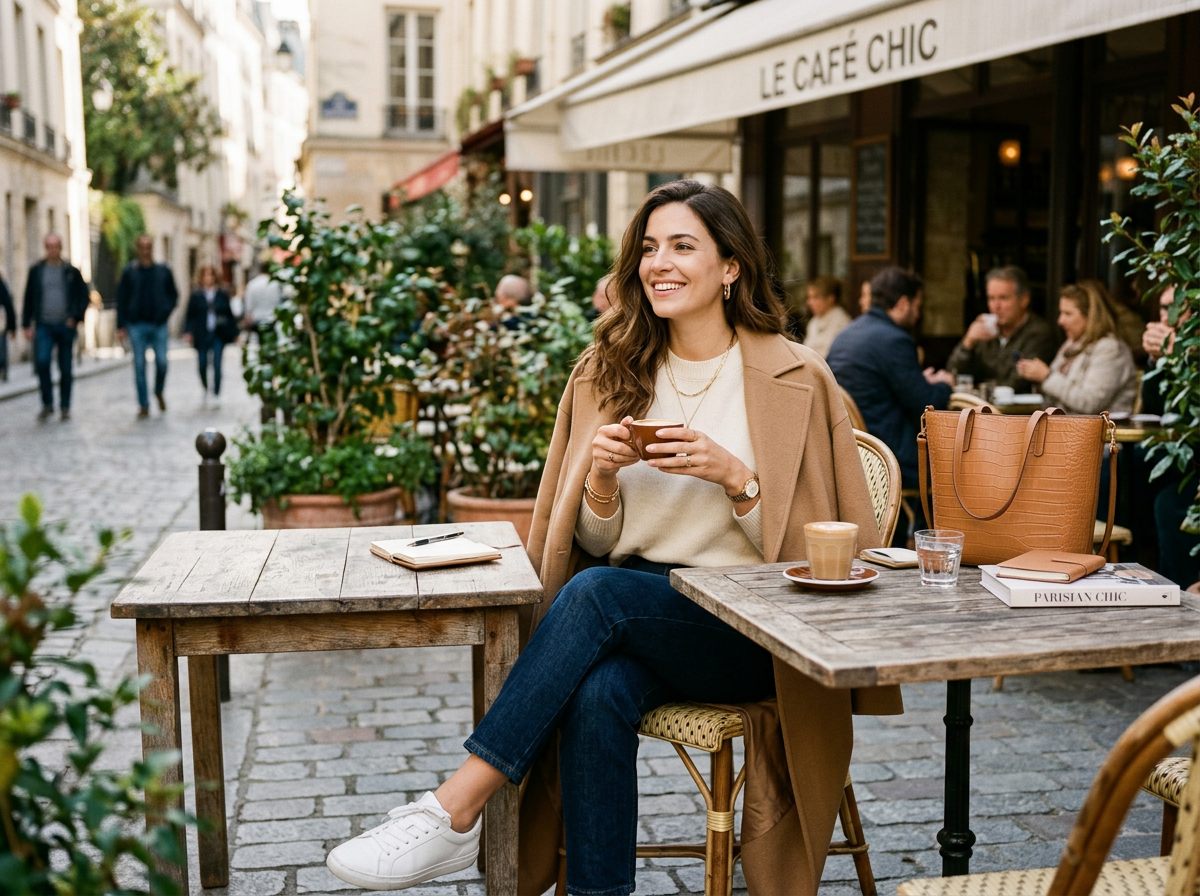
With virtual models, casting stops being a scheduling problem. You can keep the same person across an entire collection, repeat them season after season to build a recognisable visual code, or run different casts per line without paying for two productions.
And since there are no image rights to license, the campaign does not expire: the photo that goes on the listing today can still be in the newsletter two years from now without renegotiating with anyone.
Footwear and accessories
Footwear has its own grammar: outer profile, inner profile, three-quarter, sole, top-down and worn. That is six views per SKU, which in a traditional session means six separate setups and in a batch are six parameters of the same production.
Accessories — bags, belts, eyewear, add-ons — work the same way, with the advantage that material detail resolves very well and volumes tend to be high.
Where real photography is worth it
In fashion there are two areas where we prefer to start in the studio: technical fabrics with directional sheen, and sheer textiles. In both cases we photograph the real garment and use that shot as the basis of the batch, so material accuracy is guaranteed and the volume is preserved.
Questions about fashion catalogue production
Do you only work with fashion?
Fashion is where the volume pressure is greatest, but the method works just as well for cosmetics, jewellery, footwear, eyewear, food, home, decor, sport, tech and industrial products. If you have a lot of SKUs and need them all to look equally good, you are a fit.
Can I keep the same model across the whole collection?
Yes, and it is the recommended route for building a recognisable visual code. A virtual model has no diary and no licence that expires, so it can be repeated across a whole collection and across consecutive seasons.
How many views per garment make sense?
In fashion, usually between four and six: front, side, back, full body and one or two details of fabric or fastening. In footwear it is normally six, including sole and top-down.
How are colour variants handled?
They are generated from the same approved reference, without repeating the session. It is one of the biggest differences from traditional photography, where every colour means setting up again.
Send us one garment from the next collection.
We return it produced with the proposed art direction — listing, detail and scene — so you decide with the image in front of you, not with a quote.