Service · Batch generation
Batch product image generation
Shooting a catalogue one SKU at a time takes weeks and ends up producing listings that do not match each other. Batch production inverts the order: you decide once how everything should look, and then the whole catalogue is produced to that standard.
What producing in batches means
A batch is a set of images that share one art direction: the same light, the same background, the same framing, the same apparent focal length and the same colour treatment. Instead of setting up a shoot per product, that standard is defined once on a real reference and then applied to everything else.
The difference is not speed, it is consistency. When each photo is taken on a different day, with different light and different judgement, the product listing shows it and the catalogue looks disorganised even when every single image is fine on its own. Batch production removes that variance at the root.
What a batch contains
- Packshot on pure white, ready for the product listing and for marketplaces.
- Generative backgrounds and context scenes for campaign, category and social.
- Angles and detail: front, side, back, top-down and macro of material or stitching.
- Colour variants of the same product without reshooting each one.
- Lifestyle imagery with or without a model, depending on what the channel needs.
How every image is kept consistent
The real risk of generating images with artificial intelligence is not that they come out wrong: it is that they come out different from one another. Ask a generative model for the same thing twice and it returns two results that are similar but not identical. That margin, multiplied by four hundred images, ruins a catalogue.
Closing that margin is precisely the job. The art direction is set on a real product, approved, and from then on locked as a production parameter: every image in the batch inherits it. Framing, the product's proportion within the frame, colour temperature and how the shadow behaves stop being a decision taken image by image.
Art direction locked
Approved on a product of yours, not on a generic sample. It is the only point where anything is still open.
Production inherits it
Every image in the batch starts from that approved reference. Nobody rethinks the lighting halfway through the catalogue.
Human quality control
True colour, proportions, logos, stitching and texture. Anything that fails review goes back into the production queue.
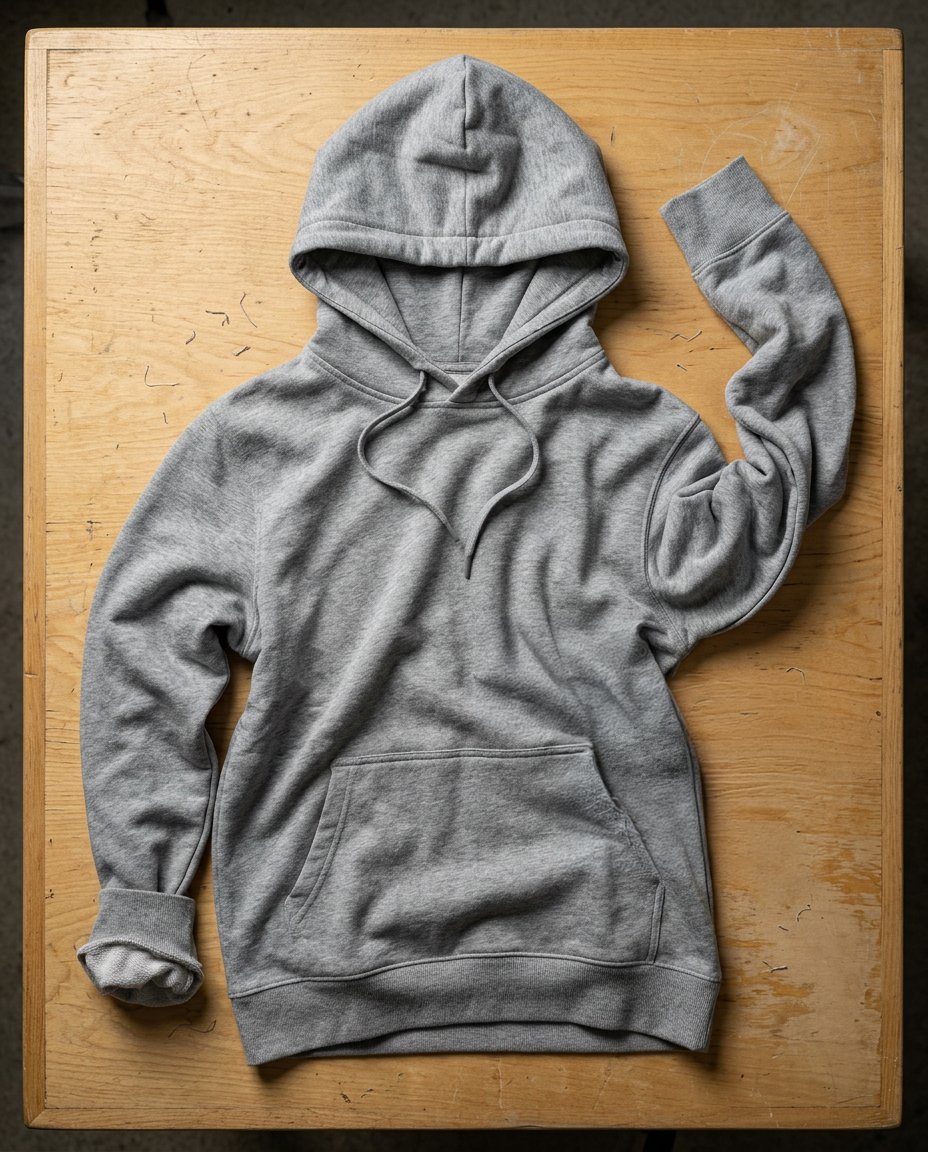
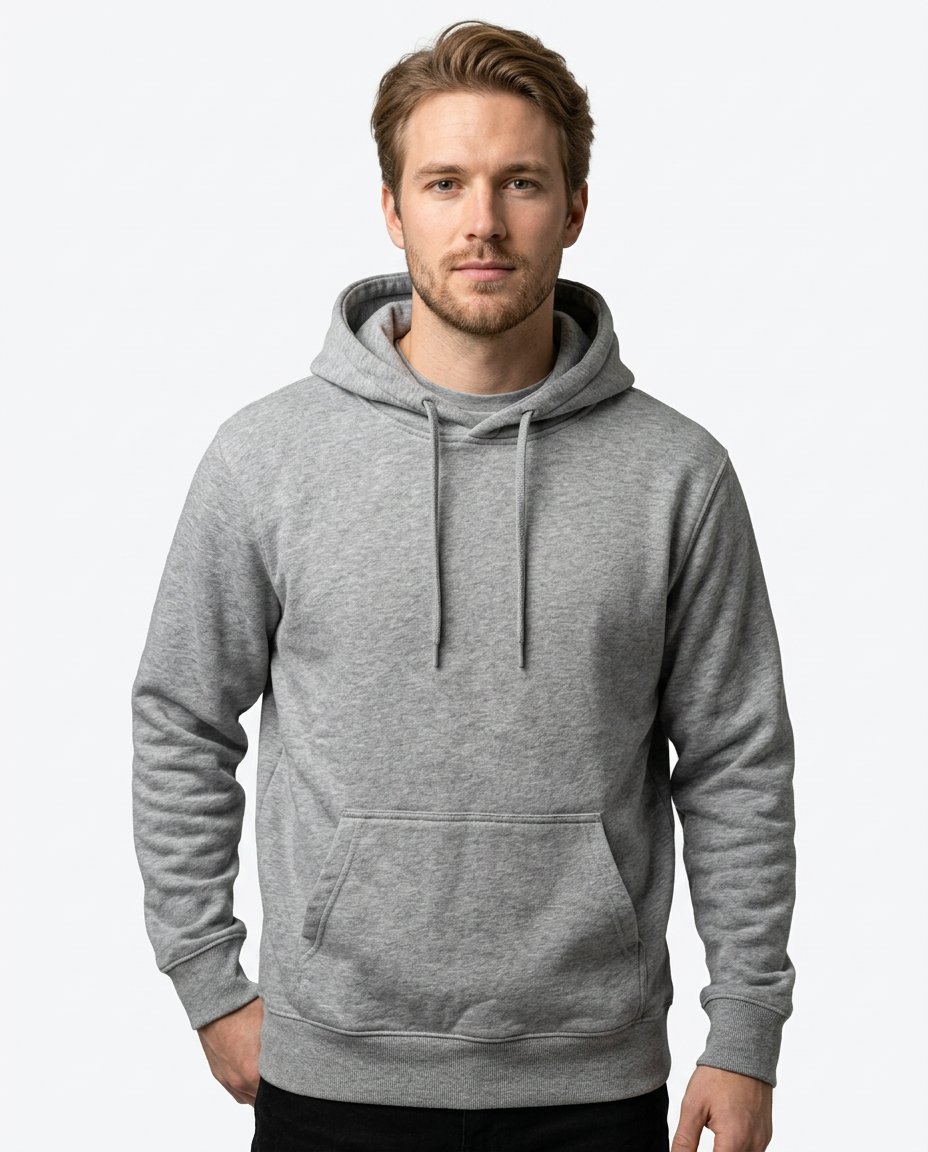
What a full batch looks like
These twelve images come from the same product and the same approved art direction. None of them was retouched individually: the consistency is not the result of fixing things afterwards, it is the consequence of having settled the standard beforehand.
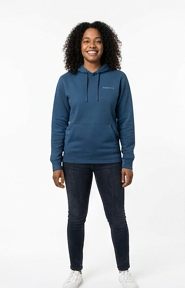

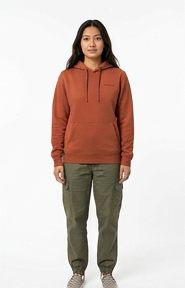
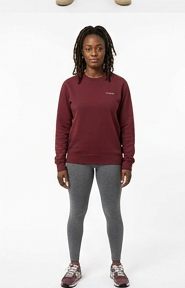

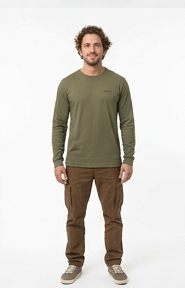

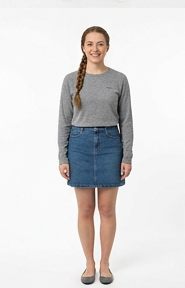
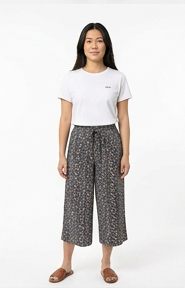
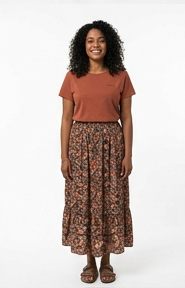
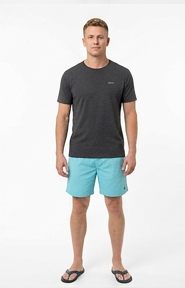
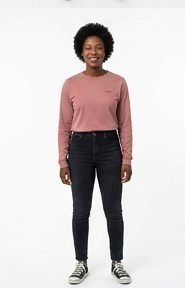
12 of the 480 images in a real batch
Volumes and turnaround
A standard batch runs between 300 and 800 final images, usually equal to 80–200 SKUs with several views each. Beyond that we work in weekly waves, so you can start publishing while the rest is still in production. There is no real ceiling: we have scoped catalogues of several thousand SKUs.
What you get at the end
The delivery is not a folder of loose images. It comes with the SKU naming convention you use, in the formats and ratios each channel requires, and with the alt text written — which is indexable copy and works for your ranking exactly as this page does.
If you prefer, we publish straight to your store. And if you work with a PIM or a DAM, we connect via API or drop the files into Drive, FTP or S3 in the structure you already have.
Transparency
All generated material is delivered labelled as content created with artificial intelligence, in line with European transparency rules. It is a legal requirement, but it is also a decision: hiding it adds nothing and exposes the brand.
The other side is convenient: because no real people are involved in the virtual models, there are no image rights to license and no expiry dates. The material is yours indefinitely.
Questions about batch production
How many images fit in one batch?
A standard batch runs between 300 and 800 final images, equal to 80–200 SKUs with several views each. Beyond that we work in weekly waves so you can start publishing while we keep producing. There is no real ceiling: we have scoped catalogues of several thousand SKUs.
Do I have to send you the physical products?
In most cases, no. With good reference photos, even phone shots, we can work remotely from anywhere in the world. We only ask for the physical product when the material behaves in a very particular way: jewellery with complex reflections, technical fabrics or metallic finishes where accuracy is critical.
How long does a batch take?
The pilot batch is delivered in 48 hours and the catalogue batch in 72 hours from art direction approval. Very large catalogues are organised in weekly waves so you can start publishing before the full production is finished.
What if I am not convinced by the result?
That is exactly why the pilot batch exists: we never produce the full catalogue until you have approved the art direction on a real product of your own. The pilot includes rounds of adjustments and its cost is deducted from your first full batch. If you decide not to continue after the pilot, there is no commitment.
Start with a pilot batch, not with the whole catalogue.
We produce one real product of yours with the proposed art direction, you approve it, and we scale from there. The cost of the pilot is deducted from your first full batch.